Get Dirt Spreading
Dirt spreading services help property owners level land, prepare sites for construction or landscaping, and solve uneven terrain or erosion issues by connecting with local contractors.
Dirt spreading services are a practical solution for property owners planning landscape improvements, construction projects, or site renovations. Properly distributing soil and other materials can help create level surfaces, improve drainage, and prepare the land for future development. Whether it's for a new lawn, garden beds, or foundation work, understanding the options available locally can assist in making informed decisions that support project success.
For those considering dirt spreading work, exploring the services offered by nearby contractors can provide valuable insights into the best approaches for specific needs. Comparing local options allows property owners to find experienced professionals capable of handling various soil distribution tasks efficiently. Continuing to explore what local service providers can offer helps ensure the right fit for your property and project goals.
- Driveway and Yard Preparation - when a property owner needs to create a level surface for landscaping or construction.
- Garden and Landscape Bed Spreading - for homeowners looking to improve soil distribution or prepare planting areas.
- Pathway and Walkway Spreading - when installing or maintaining gravel or mulch pathways around a property.
- Construction Site Clearing - during excavation or site development requiring debris and soil redistribution.
- Erosion Control and Soil Stabilization - to prevent soil runoff and maintain landscape integrity after heavy rain or flooding.
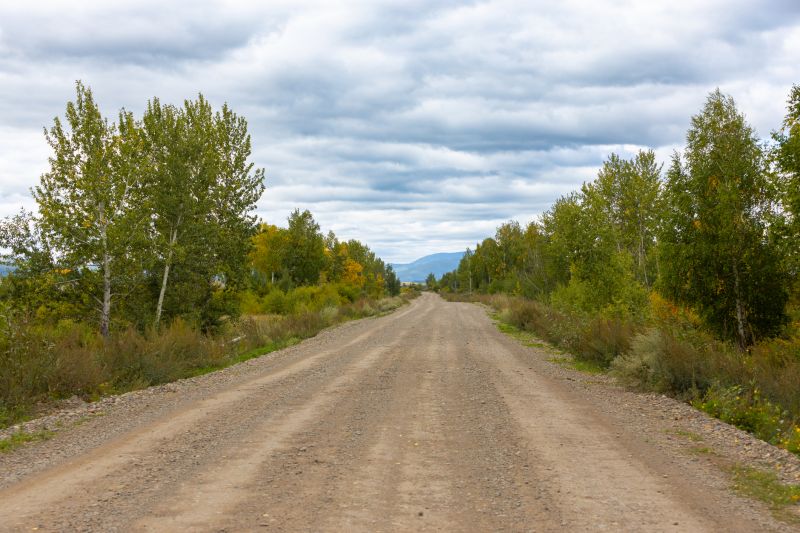
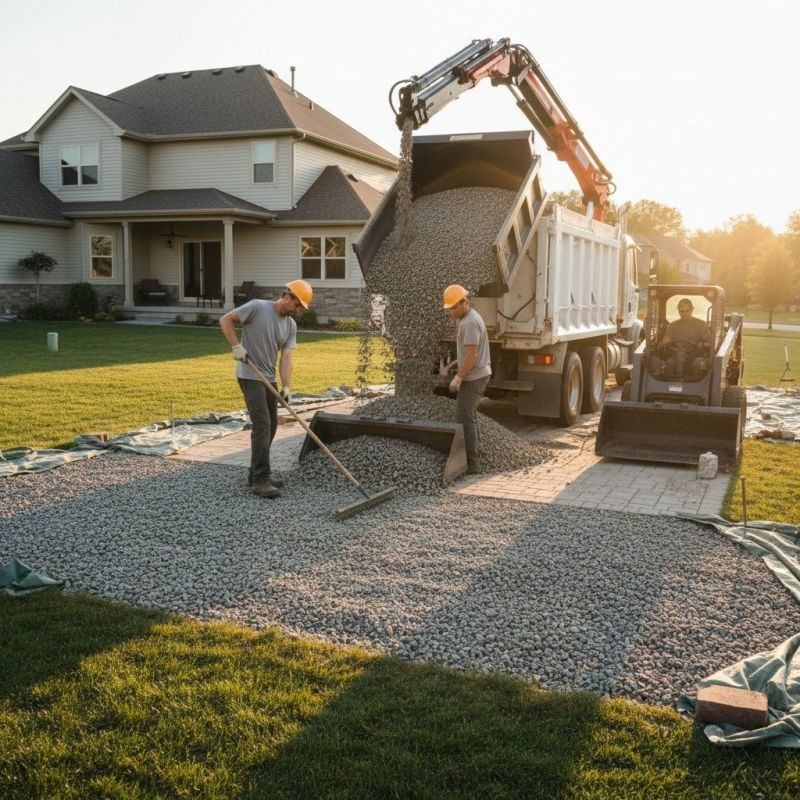
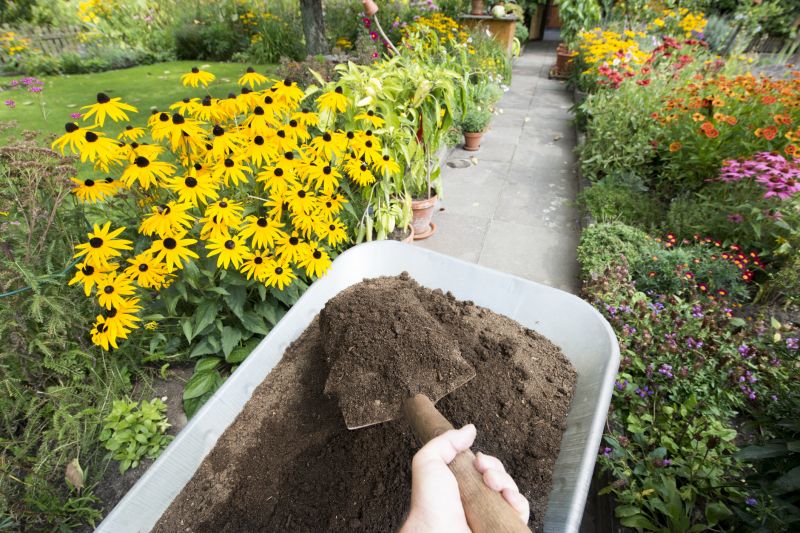
Dirt spreading services involve the careful distribution of soil, topsoil, or other types of fill material across specific areas of a property. This process is often used to level uneven ground, fill in low spots, or prepare land for landscaping projects such as lawns, gardens, or new construction. Skilled contractors use specialized equipment to ensure the soil is spread evenly and to the desired depth, helping to create a stable foundation for future work or to improve the overall appearance of outdoor spaces.
This service addresses a variety of common property problems. For example, it can correct issues caused by erosion, settling, or previous construction that resulted in uneven terrain or bare patches. Dirt spreading can also help manage drainage problems by raising low-lying areas or creating slopes that direct water away from foundations and walkways. Additionally, it is useful for preparing a site for planting or turf installation, ensuring a smooth, level surface that promotes healthy growth and reduces maintenance needs.
Properties that typically utilize dirt spreading services include residential homes, especially those undergoing landscaping updates or new construction. Larger properties such as farms, estates, or commercial sites also benefit from this work when land needs to be leveled, filled, or reshaped for practical or aesthetic reasons. Homeowners planning to install new lawns, patios, or driveways often find dirt spreading essential to achieve a uniform, stable surface. Similarly, property developers and landscapers rely on these services to prepare sites efficiently before planting or construction begins.
Homeowners and property managers may consider dirt spreading services when dealing with uneven yards, drainage issues, or areas that require additional soil for planting or landscaping. This service can also be valuable after excavation projects, such as digging for pools or foundations, to restore the land to a functional state. By working with local contractors experienced in dirt spreading, property owners can ensure that their land is properly prepared, level, and ready for the next phase of their outdoor projects.
The overview below groups typical Dirt Spreading projects into broad ranges so you can see how smaller, mid-sized, and larger jobs often compare in your area.
In many markets, a large share of routine jobs stays in the lower and middle ranges, while only a smaller percentage of projects moves into the highest bands when the work is more complex or site conditions are harder than average.
Smaller Repairs - Typical costs for minor dirt spreading jobs usually range from $250 to $600. Many routine projects fall within this middle band, depending on the scope and size of the area. Fewer jobs tend to push into the higher end of this range.
Standard Respreading - For more standard dirt spreading services, local contractors often charge between $600 and $1,200. This range covers most mid-sized projects and is common for residential or commercial applications.
Large-Scale Projects - Larger projects, such as extensive yard or landscape prep, can range from $1,200 to $3,500. These jobs are less frequent but are typical for bigger or more complex projects requiring significant material and labor.
Full Replacement or Complex Jobs - Complete dirt replacement or highly detailed spreading work can cost $3,500 and up, with some larger or more involved projects reaching $5,000 or more. These are less common but necessary for major renovations or large-scale land modifications.
Actual totals will depend on details like access to the work area, the scope of the project, and the materials selected, so use these as general starting points rather than exact figures.
Landscaping Projects - Landscaping often involves soil preparation and grading, requiring similar dirt spreading skills to ensure proper foundation for plants and features.
Construction Site Preparation - Preparing construction sites involves leveling and spreading soil or gravel, making use of comparable planning and material handling techniques as dirt spreading services.
Road and Driveway Building - Building roads and driveways requires spreading and compacting aggregate materials, a process closely related to soil distribution and site leveling.
Foundation Backfilling - Installing or repairing foundations often involves backfilling with soil or gravel, utilizing similar tools and planning as dirt spreading projects.
Erosion Control Projects - Implementing erosion control measures may require spreading soil or mulch to stabilize slopes, involving similar application methods and site assessment.
Drainage System Installation - Installing drainage involves grading and spreading soil to ensure proper water flow, which shares skills with dirt spreading services.
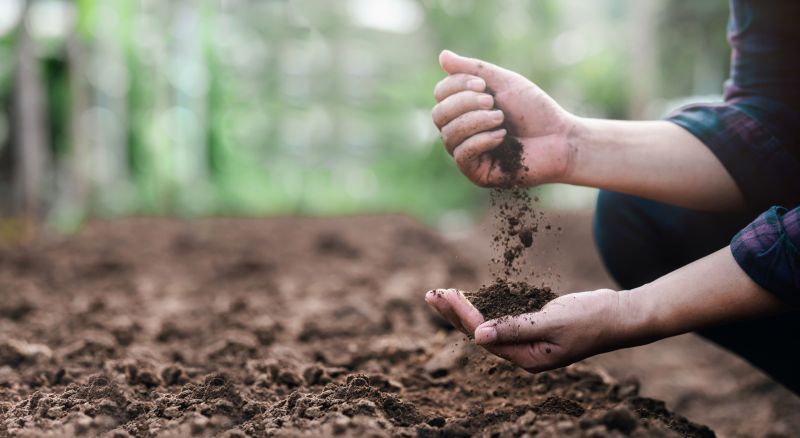
When comparing service providers for dirt spreading projects, it's important to consider their experience with similar types of work. Homeowners should look for local contractors who have a proven track record in handling projects comparable to their own, whether it's leveling land, preparing a site for construction, or managing large-scale soil distribution. An experienced professional is more likely to understand the nuances of the job, anticipate potential challenges, and deliver results efficiently. Gathering information about the number of similar projects completed can provide insight into a contractor’s familiarity with the specific requirements of dirt spreading tasks.
Clear and detailed written expectations are essential to ensure everyone is aligned on the scope of work. Homeowners should seek out local service providers who can clearly outline what is included in their services, what preparations are needed beforehand, and what the finished project will entail. Having a well-defined plan helps prevent misunderstandings and sets a foundation for a smooth working relationship. It’s advisable to request a written estimate or proposal that specifies the work process, materials used, and any other relevant details to ensure transparency and mutual understanding.
Reputable references and good communication are key indicators of a reliable contractor. Homeowners should ask for references from previous clients who had similar dirt spreading projects, and follow up to learn about their experiences. Effective communication throughout the process-whether through timely responses, clarity in explanations, or willingness to answer questions-also reflects a professional approach. Since the site introduces people to local options, it’s important to focus on finding service providers known for their professionalism, responsiveness, and ability to deliver quality results, rather than the site performing the work itself.
Property owners use Dirt Spreading services for practical projects around their homes and businesses. This guide focuses on everyday jobs and straightforward project options.
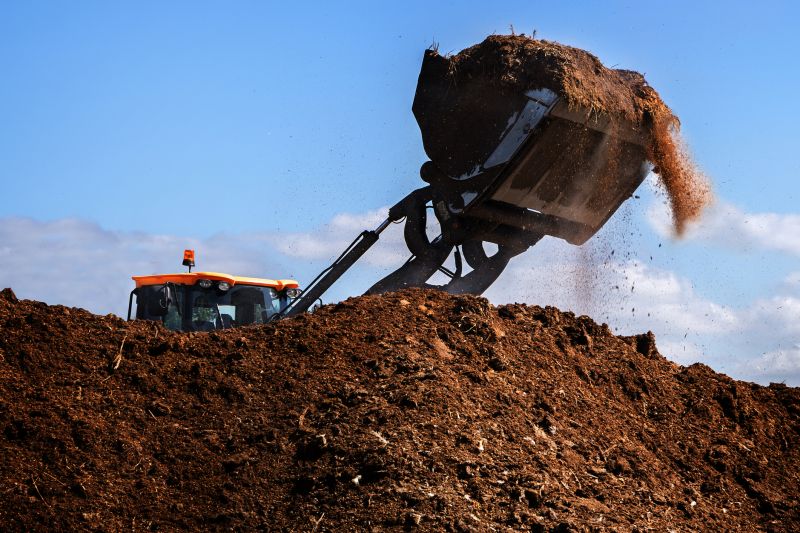
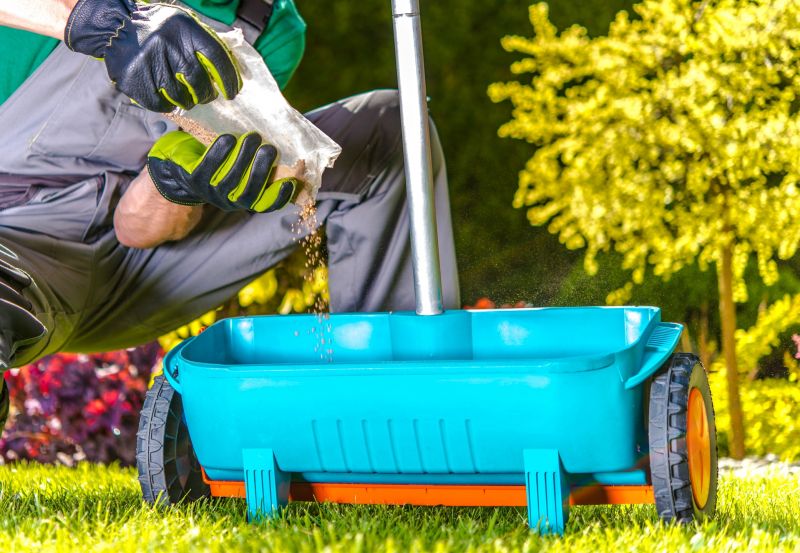
Dirt spreading services are often needed for a variety of everyday property projects. Homeowners might require this work when preparing a yard for landscaping, leveling uneven ground, or creating a smooth surface for driveways and patios. Property owners seeking to improve their outdoor spaces or address uneven terrain frequently look for local contractors who can efficiently distribute soil or gravel to achieve a clean, level finish.
In addition, dirt spreading is commonly requested during larger construction or renovation projects, such as building extensions or installing new features like pathways or retaining walls. Property owners may also need this service to fill in holes or low spots after excavation work or to prepare land for future use. Local service providers can help ensure the job is done properly, making it easier for property owners to manage their outdoor spaces and keep their land functional and attractive.
What is dirt spreading service? Dirt spreading involves distributing soil or other materials evenly across a designated area, often to level land or prepare a site for construction or landscaping projects.
Why might someone need dirt spreading? Dirt spreading can be useful for leveling uneven ground, filling low spots, or creating a stable base for landscaping, paving, or construction projects.
What types of materials can local contractors spread? Contractors typically spread soil, gravel, sand, or other similar materials depending on the project's requirements.
How do local service providers handle dirt spreading projects? They use specialized equipment and techniques to ensure materials are distributed evenly and meet the desired specifications for the area.
What should be considered before hiring a dirt spreading service? It's important to assess the scope of the project, the type of material needed, and the area size to find a suitable local contractor for the job.
Garden Landscaping Preparation - Property owners can prepare their lawns for planting or new landscaping projects by having dirt spread evenly across the area.
Erosion Control Solutions - Local contractors can assist with spreading dirt to stabilize slopes and prevent soil erosion on hillsides or uneven terrain.
Leveling and Grading Projects - Dirt spreading services can help level out uneven ground to create a smooth surface for patios, driveways, or lawns.
Construction Site Cleanup - After construction, dirt spreading services can distribute excess soil to restore landscape contours and improve site appearance.
If you are thinking about Dirt Spreading for a property, this guide is meant to help you understand the work, the typical project types, and how different options might fit your plans.
When you are ready, you can use the quote form on this page to share a few details about your project. From there, local pros can review the basics and respond with options that match what you have in mind.